You Gotta Feel Saint-Louis During Festival Season – This City Breathes Rhythm
Saint-Louis, Senegal isn’t just a destination—it’s a living, breathing celebration of culture. I’ve never seen a city where music, color, and tradition spill so freely into the streets. During festival season, the whole island pulses with energy, from jazz rhythms echoing off colonial walls to the thunder of Sabar drums at sunset. It’s authentic, it’s electric, and honestly, it’s unforgettable. If you want to experience West African soul in its purest form, this is where to go—and when to go.
The Heartbeat of Saint-Louis: Where Culture Meets Celebration
Situated at the mouth of the Senegal River, Saint-Louis is a city suspended between worlds—geographically on an island, culturally at the intersection of African tradition and colonial history. Once the capital of French West Africa, its past is visible in the pastel-colored colonial buildings, wrought-iron balconies, and grid-like streets of the historic island district, now a UNESCO World Heritage site. But Saint-Louis is far from a museum piece. Its true essence lives in the rhythm of daily life: children chanting as they walk to school, women in vibrant wrappers balancing baskets on their heads, and fishermen mending nets to the steady beat of distant drums. This isn’t a city that hosts festivals; it is a festival in motion.
The cultural fabric of Saint-Louis is woven from Wolof, Pulaar, and Serer traditions, enriched by centuries of trade, migration, and maritime heritage. Music is not entertainment here—it’s a language. Every neighborhood has its own drumming ensemble, and gatherings often erupt into spontaneous dance. The city’s identity is deeply tied to the river, which serves as both a livelihood and a spiritual anchor. During festival season, this already vibrant pulse intensifies. Celebrations are not staged for tourists; they emerge organically from community life, rooted in gratitude, remembrance, and joy. To visit Saint-Louis during this time is to witness culture not as a performance, but as a way of being.
Travelers quickly realize that the island itself is a character in the story. Narrow streets lined with mango trees open into sunlit courtyards where elders sip tea and musicians tune their kora strings. The Faidherbe Bridge, an iconic iron structure linking the island to the mainland, becomes a nightly gathering point as locals and visitors alike stroll beneath its arches, serenaded by buskers and the soft lapping of the river. There’s a sense that everyone belongs, that celebration is not an event but a shared rhythm. This inclusive spirit makes Saint-Louis uniquely welcoming, especially for women traveling alone or with family. The city’s warmth isn’t performative—it’s real, steady, and deeply felt.
Dakar Jazz à Saint-Louis: When the World Comes to the Island
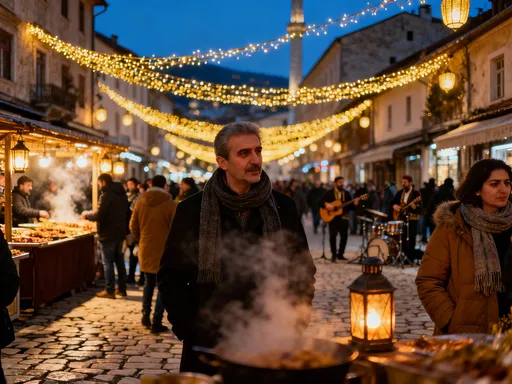
Each year, usually in January or February, Saint-Louis transforms into West Africa’s premier jazz destination with the Dakar Jazz à Saint-Louis festival. Though named after the capital, the festival finds its soul in this historic island city, drawing artists and audiences from across the continent and beyond. For five unforgettable days, the Senegal River becomes a stage, with open-air concerts set along its banks, floodlit at dusk, the water reflecting the glow of lanterns and stage lights. International jazz legends share the lineup with Senegalese virtuosos, creating a fusion of styles that feels both global and deeply local.
The atmosphere is electric yet intimate. Unlike large commercial festivals, Dakar Jazz à Saint-Louis maintains a human scale. You might find yourself standing shoulder to shoulder with a Parisian jazz enthusiast, a Dakar-based artist, and a local fisherman—all swaying to the same saxophone solo. Performances take place at multiple venues: the historic Theatre Louis, the riverside Plaza de l’Horloge, and even converted colonial courtyards where fans sit on low stools or stand under parasols. There’s no need for expensive VIP passes; most events are either free or affordably priced, reinforcing the festival’s commitment to accessibility.
For visitors, planning ahead is essential. Accommodations on the island fill up months in advance, so booking early is wise. Options range from charming boutique guesthouses like Villa Kerya or Hôtel de la Poste to family-run homestays that offer a more immersive experience. Public transport remains reliable during the festival, but walking is often the best way to soak in the mood. The festival team provides maps and schedules, and local volunteers are always happy to guide newcomers. Earplugs might seem out of place at a music festival, but they’re a thoughtful addition—especially for those sensitive to prolonged sound exposure in open-air settings.
What sets Dakar Jazz apart is its respect for local culture. While the music is international in scope, the context remains distinctly Senegalese. Between sets, visitors can sample grilled fish skewers, listen to poetry readings in Wolof, or watch children’s drumming workshops. The festival doesn’t overshadow the city—it amplifies it. For families, it’s a safe and enriching experience, with daytime events designed for all ages. By night, the city glows with a special energy, as if the entire island is humming in harmony.
Galo Music and the Fête des Marins: A Tribute to the River
While jazz brings global sounds to Saint-Louis, the Fête des Marins (Festival of the Sea) grounds the city in its most sacred tradition: the river. Held annually in December, this deeply spiritual celebration honors the fishing community, whose lives depend on the Senegal River’s bounty. At its heart is Galo music—a rhythmic, call-and-response genre born from the rhythms of rowing, net-hauling, and communal labor. Unlike the polished performances of jazz festivals, Galo is raw, communal, and participatory. It’s sung by fishermen as they work, passed down through generations, and performed with unfiltered emotion during the Fête.
The festival begins with a blessing ceremony led by local elders and spiritual guides. Fishermen dress in traditional attire—bright tunics, woven hats—and gather their pirogues, the colorful wooden boats that are icons of Senegalese coastal life. At dawn, a flotilla sets out from the quay, moving in unison to the beat of Sabar drums. As they return, the entire waterfront erupts in celebration: families spread out picnic cloths, children dance along the seawall, and women sell steaming bowls of thiéboudienne, Senegal’s national dish of fish and rice. The air fills with the scent of grilled fish, incense, and sea salt.
For travelers, the Fête des Marins offers a rare glimpse into authentic, non-commercialized tradition. There are no ticketed stages or corporate sponsors—just community, music, and gratitude. Visitors are welcome to observe and, if invited, to join in. The key is respect: dressing modestly, asking before taking photos, and participating only when welcomed. Many local guides offer cultural walks during the festival, providing context and translation. Staying with a host family during this time deepens the experience, as meals and conversations become part of the celebration.
The timing of the festival—just before the holiday season—makes it especially meaningful. It’s a moment of reflection and renewal, a reminder of the river’s life-giving power. For women travelers, particularly those interested in cultural heritage and community-based tourism, the Fête des Marins is profoundly moving. It’s not about spectacle; it’s about connection. And in a world where traditions are often diluted for tourism, Saint-Louis holds fast to its truth.
Street Energy: Saint-Louis’ Hidden Festival Moments
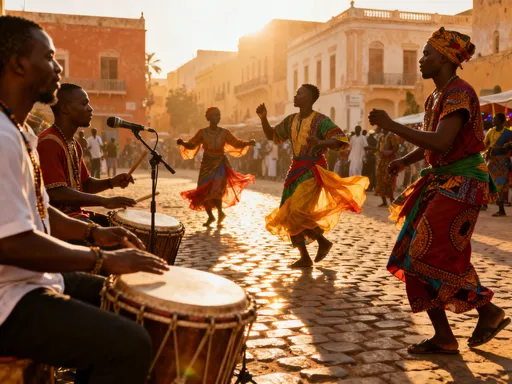
Beyond the scheduled festivals, Saint-Louis thrives on spontaneous celebration. Some of the most memorable moments happen without announcement: a group of teenagers breaking into a dance battle in Place Jean Baylet, an impromptu drum circle in a back alley, or a wedding procession spilling into the street with music so loud it shakes the windows. These unplanned events are not tourist attractions—they’re the city’s natural rhythm. For visitors willing to wander, they offer the most authentic experiences.
The old town, with its maze of narrow lanes and hidden courtyards, is the best place to discover these moments. Early evenings are particularly vibrant, as families gather outside their homes and musicians set up in open spaces. The sound of the djembe, the rattle of the shekere, and the melodic pluck of the kora create a soundtrack that changes with each block. Unlike in larger cities, there’s no pressure to pay for performances or pose for photos. Locals often smile and gesture for you to join, especially if you show genuine interest.
Safety is generally excellent, especially in the island district, which is compact and well-patrolled. Women traveling alone report feeling secure, particularly during daylight and early evening hours. That said, it’s wise to stay aware, avoid poorly lit areas at night, and travel with a local guide if exploring unfamiliar neighborhoods. The best way to engage is simply to be present—sit on a bench, sip a glass of bissap (hibiscus tea), and let the city reveal itself. You don’t need to speak Wolof to connect; a smile, a nod, or a clap at the right moment speaks volumes.
For those seeking deeper interaction, some community centers and cultural associations host informal workshops during festival season—drumming lessons, dance circles, or storytelling sessions. These are often free or donation-based and open to all. Participating, even briefly, fosters a sense of belonging. It’s not about mastery; it’s about sharing joy. And in Saint-Louis, joy is never in short supply.
Food, Rhythm, and Community: The Unwritten Festival Itinerary
No festival in Saint-Louis is complete without food—and not just as sustenance, but as celebration. Street vendors become part of the performance, calling out to passersby as they grill fresh fish over open flames, flip plantains in sizzling oil, or ladle spicy peanut stew into takeaway bowls. The scent of cloves, ginger, and smoked fish drifts through the air, mingling with the sound of music. Meals are rarely eaten in silence; even a simple dinner at a roadside stand feels like a social event.
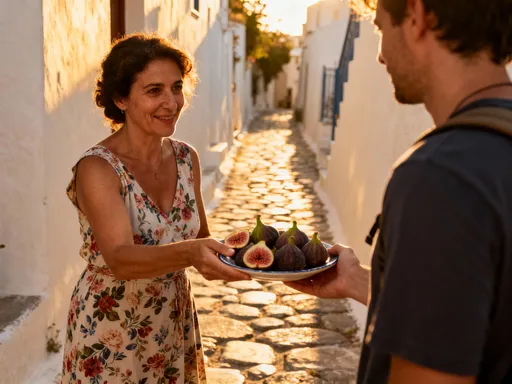
One of the most beautiful rituals is the sharing of drinks between songs. Women in brightly colored dresses move through the crowds selling bissap and ginger juice from large glass dispensers, their trays balanced effortlessly on their heads. These natural beverages, tart and refreshing, are more than refreshments—they’re symbols of hospitality. Accepting a glass is a small act of connection, a way of saying “I am here with you.”
For travelers, the most rewarding meals happen off the main streets. A courtyard dinner hosted by a local family, where guests sit on woven mats and eat with their hands, offers a taste of true Senegalese warmth. Dishes like yassa (onion-marinated chicken), mafé (peanut stew with vegetables), and fresh mangoes reflect the region’s agricultural richness. Dietary needs are usually accommodated with kindness—vegetarian options are common, and cooks are happy to adjust spice levels.
It’s important to note that cash is still king. Most street vendors and small restaurants don’t accept cards, so carrying small bills in CFA francs is essential. Tipping isn’t expected but appreciated, especially for extended service. The key is to eat like a local: slowly, communally, and with gratitude. In Saint-Louis, every meal is a celebration of life, and during festival season, that celebration reaches its peak.
Smart Travel Tips: Navigating Festivals Like a Local
Planning a trip to Saint-Louis during festival season requires some foresight, but the rewards far outweigh the effort. The best time to book is at least three to four months in advance, especially for major events like Dakar Jazz or the Fête des Marins. Flights from Dakar to Saint-Louis are available but limited, so securing a seat early is crucial. Alternatively, the three-hour drive from Dakar is scenic and comfortable, with reputable bus companies like Dakar Dem Dikk offering air-conditioned service.
Packing wisely enhances the experience. Lightweight, breathable clothing in natural fabrics helps manage the heat, which can be intense, especially in December and February. A wide-brimmed hat, sunscreen, and a reusable water bottle are must-haves. While the city is walkable, comfortable sandals are recommended—cobblestone streets can be uneven. A small fan or cooling towel can provide relief during long outdoor events. Earplugs are surprisingly useful, not to block out music, but to ensure restful sleep when celebrations continue late into the night.
Staying connected is easier with a local SIM card, available at the airport or in town. Orange and Expresso are the main providers, offering affordable data plans that work throughout the city. Wi-Fi is available in most hotels and cafes, but speeds can vary. For navigation, offline maps are helpful, though the island is small enough to explore on foot. If accommodations on the island are fully booked, consider staying in Ngor or Diamniadio on the mainland—both are accessible by bridge and offer quieter retreats.
Respectful behavior goes a long way. Dress modestly, especially in residential areas and during religious or community events. Ask permission before photographing people, and always greet hosts with a polite “Salaam aleikum” or “Bonjour.” Learning a few phrases in Wolof—like “Nanga def?” (How are you?) or “Jërëjëf” (Thank you)—opens doors and warms hearts. Above all, come with curiosity, not expectation. Saint-Louis doesn’t perform; it lives. And when you move at its pace, you become part of its rhythm.
Beyond the Noise: Finding Peace in a Festival City
Even in the midst of celebration, Saint-Louis offers moments of quiet beauty. For travelers seeking balance, the early mornings are magical. As the city stirs, the Faidherbe Bridge is nearly empty, the river calm, the air cool. A walk along Langue de Barbarie, the narrow sandbar that separates the river from the Atlantic, reveals a different side of the city—herons wading in the shallows, fishermen hauling in their morning catch, the distant cry of gulls. This national park is also a haven for birdwatchers, home to pink flamingos, pelicans, and migratory species.
The Senegal River Delta, a UNESCO Biosphere Reserve, offers eco-tours by pirogue, where guides point out mangroves, otters, and rare birdlife. These excursions are gentle, reflective, and deeply grounding—perfect for recharging after days of music and crowds. Artisan workshops in the old town provide another peaceful retreat. Here, you can watch weavers create intricate bogolan cloth, potters shape clay by hand, or drum makers carve djembes from single logs. Many welcome visitors and are happy to explain their craft, often in French or basic English.
These quieter experiences are not escapes from the festival—they are part of it. They remind us that celebration is not just noise and motion, but also gratitude, craftsmanship, and connection to nature. By supporting local artisans and eco-tourism initiatives, travelers contribute directly to the community. Sustainable tourism in Saint-Louis isn’t a buzzword; it’s a practice. Every homestay booked, every craft purchased, every respectful interaction strengthens the cultural fabric that makes the festivals possible.
For women who value meaningful travel—trips that enrich the soul as much as the itinerary—Saint-Louis offers something rare: authenticity without pretense, joy without performance, and connection without barriers. It’s a place where you don’t just see culture—you live it, breathe it, and carry it with you long after you leave.
Festival culture in Saint-Louis isn’t something you just attend—you become part of it. The city doesn’t perform for visitors; it lives its truth, loud and proud. By choosing to experience it with respect and curiosity, travelers don’t just see Senegal—they feel it. And that kind of connection? That’s what transforms a trip into a lifelong memory.